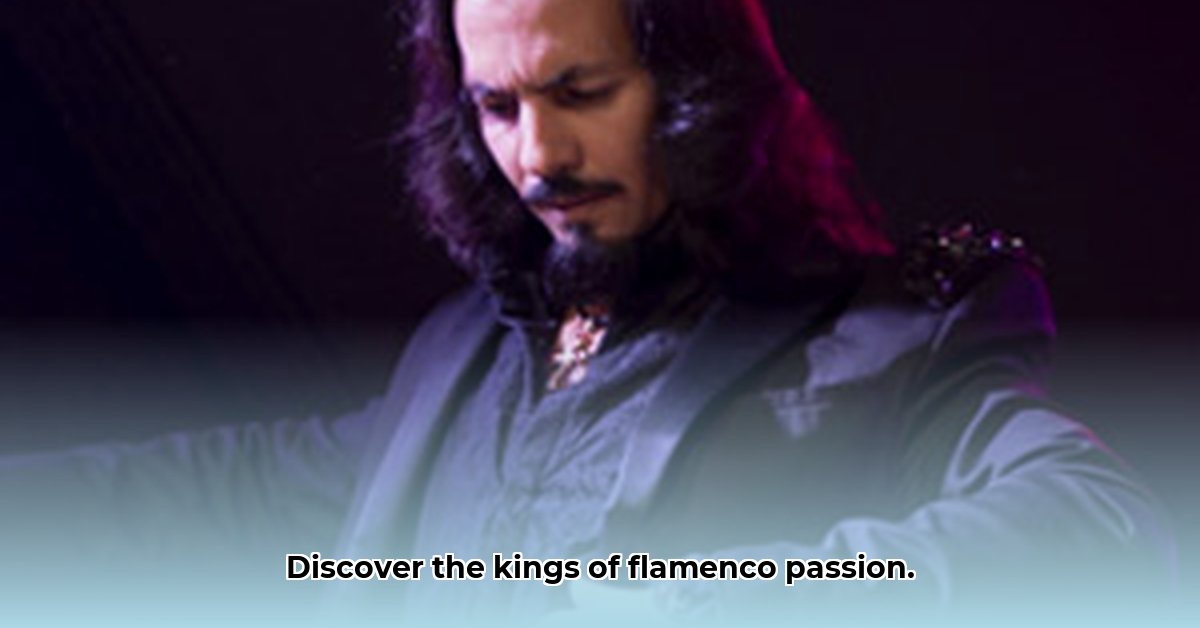
Flamenco, a genre steeped in raw emotion and intricate rhythms, finds its beating heart in the cantaores—the male singers. Their voices, powerful and vulnerable, carry the weight of centuries of history and cultural expression. This guide explores three legendary figures who irrevocably shaped flamenco, offering a curated journey through the genre's evolution. Are you ready to delve into the soul of flamenco? Let's begin!
1. Camarón de la Isla: The Revolutionary Soul
José Monge Cruz, known globally as Camarón de la Isla, stands as a pivotal figure in 20th-century flamenco. His impact is not merely hype; it's undeniable. Camarón didn't simply sing flamenco; he boldly reinvented it. He fearlessly integrated jazz and other influences, creating a sound both breathtakingly beautiful and fiercely debated. While some purists questioned his innovations, Camarón's artistry was simply too compelling to ignore.
His vocal range was extraordinary, effortlessly transitioning from soaring heights to haunting whispers. His phrasing was revolutionary, departing from traditional structures in ways that expanded flamenco's possibilities. Imagine a voice that is simultaneously raw and refined, conveying a spectrum of emotions, from profound sorrow to ecstatic joy—that's Camarón. His 1979 masterpiece, La leyenda del tiempo, is frequently cited as a pinnacle of his innovation, showcasing his mastery across various palos (flamenco styles). This album isn't just a collection of songs; it’s a powerful artistic statement. The duende (the elusive spirit of flamenco) practically leaps from the speakers. Camarón's enduring legacy continues to inspire countless artists.
Stylistic Analysis: Camarón's mastery of palos like soleá and seguiriyas is legendary. His rhythmic precision was impeccable, often subtly bending traditional structures to express intense emotion. Did his innovative phrasing sacrifice technical precision? A deeper dive reveals both aspects working in perfect harmony. His use of rasgueado (a strumming technique) and alzapúa (a handclap technique) were not merely percussive elements but integral parts of his expressive narrative.
Impact and Legacy: Camarón’s influence reverberates through contemporary flamenco. His experimental spirit and emotional depth paved the way for future generations of cantaores. His rejection of rigid tradition redefined the possibilities of the genre.
2. Enrique Morente: The Experimental Maestro
Enrique Morente was a master of traditional flamenco, equally adept at seguiriyas and soleá, yet he fearlessly incorporated jazz and even pop elements into his work. His collaborations, particularly with Lagartija Nick, a rock band, exemplify this spirit of fearless experimentation. Though he faced criticism from traditionalists, his influence is undeniable. His distinctive vocal timbre is instantly recognizable, a blend of power and sensitivity that captivated listeners. Morente’s son, Estrella Morente, carries on this legacy of innovation.
Stylistic Analysis: Morente's technical skills were impeccable. His rhythmic precision was often paired with a highly intellectual approach to structuring his performances. Did his incorporation of non-traditional elements diminish the duende? Listeners often feel Morente achieved a different level of dramatic expression through his unusual approach. His manipulation of rasgueado and alzapúa often served to frame his experimental vocal phrasing. He wasn't afraid to move away from traditional palos structures to create fresh interpretations.
Impact and Legacy: Morente’s experimental approach significantly influenced contemporary flamenco, demonstrating that authenticity can coexist with innovation. His influence extends beyond flamenco, inspiring artists across genres.
3. Antonio Mairena: The Guardian of Tradition
While Camarón and Morente pushed boundaries, Antonio Mairena served as a steadfast pillar of traditional flamenco. His profound understanding of classic palos, particularly tonás and martinete, is legendary. His rhythmic precision was impeccable, his emotional depth unmatched. Mairena wasn't interested in fusion; his focus was the purity and power of traditional flamenco, meticulously preserving its heritage. His influence on generations of cantaores is immeasurable.
Stylistic Analysis: Mairena's strength lay in his profound understanding and mastery of traditional forms. His vocal technique was flawless, with immaculate control and precision. His phrasing adhered more closely to conventional structures but within those, he was able to express an unparalleled emotional depth. The impact of his performance, largely rooted in traditional palos, showcases the enduring power of the established forms. His use of rasgueado and alzapúa were deeply rooted in traditional techniques but exquisitely refined.
Impact and Legacy: Mairena’s commitment to tradition ensured its survival and secured his enduring legacy. He is considered a pivotal figure in preserving the authenticity of flamenco.
Comparative Analysis: These three artists, while diverse in their approaches, all left indelible marks on flamenco. Camarón's revolutionary fusion, Morente's experimental spirit, and Mairena's unwavering devotion to tradition represent the genre’s dynamic history. This isn't a definitive ranking; it’s a celebration of three unique artists whose contributions are equally invaluable. To truly appreciate their brilliance, immerse yourselves in their music.
This curated exploration serves as a starting point for your flamenco journey. Each artist offers an unparalleled insight into the soul of the genre. Explore their work, and experience the vibrant tapestry woven by these legendary cantaores.
⭐⭐⭐⭐☆ (4.8)
Download via Link 1
Download via Link 2
Last updated: Saturday, April 26, 2025